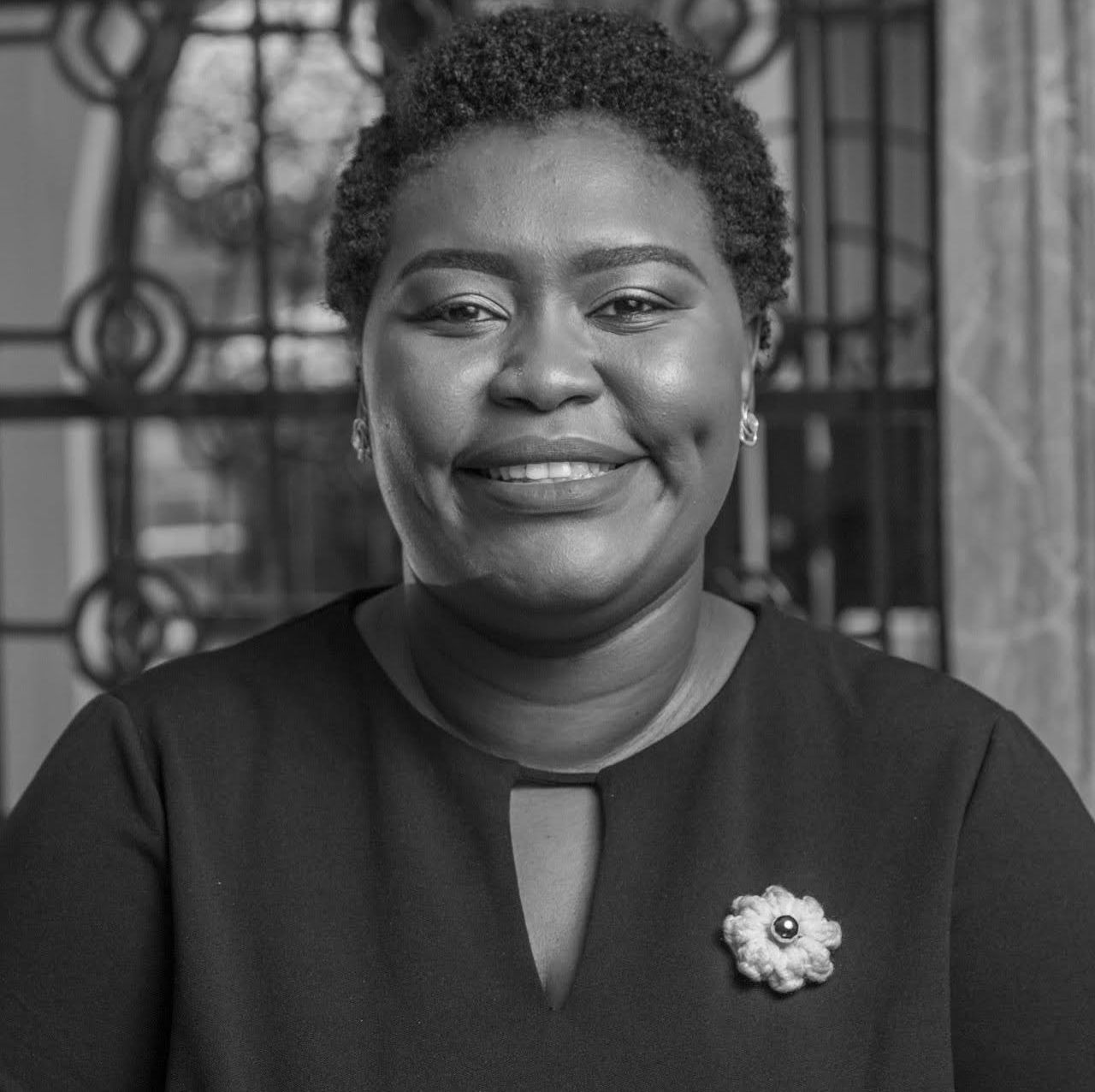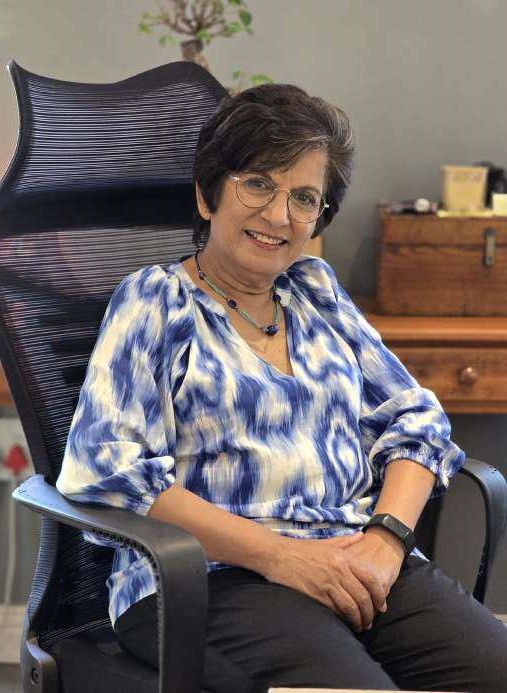
I grew up in apartheid South Africa,” Sharda Naidoo begins.
While her community faced isolation, her family made deliberate choices to expose them to other groups through religion and education. “Of all races collaborated creatively to expose injustices apartheid.”
The Magic of Theatre
“The magic of theatre is about the coordination as well as silent, verbal, and non-verbal communication that makes it happen,” she reflects. Educated by Holy Family Sisters from Ireland at a Catholic school that subtly defied apartheid norms, young Sharda experienced glimpses of what an integrated society might look like. “We were given a more rounded education with tennis, drama, and ballet lessons, which was not available at government schools,” she explains. These schools created rare opportunities for children of different races to interact during concerts and plays.
At home, her father’s involvement with an international spiritual organisation meant people of various races occasionally stayed with them.
Protest Theatre and Resistance
By the time Sharda reached university, where she studied drama and philosophy, many political parties had been banned, and voices of opposition had been silenced. She found her calling in protest theatre at the Market Theatre, one of the few remaining spaces where dissent could be expressed. “I chose to work in theatre as it was one of the few spaces open to voices of protest,” she says.
“We didn’t have huge budgets, so we painted, decorated, made costumes, and reused stage pieces refashioned in different ways.”
Breaking Boundaries
Living under apartheid meant personal challenges too. “Segregation affected me as far as living illegally in areas that were designated for ‘white’ people,” she recalls. “That was tough, and I had to move a few times when neighbours reported my presence to the police.”
A Pivotal Journey
A pivotal moment came when Sharda decided to travel outside South Africa. “Having grown up with political and cultural oppression, I developed an active imagination,” she says. Inspired by characters in novels who moved to different cities to start new lives, she yearned for independence, something uncommon in her family and community.
Working extra hours in restaurants and later in film and TV, she saved enough for what would become a two-year journey that changed everything. “My years of travelling were very empowering. I experienced freedom that I did not know was possible,” she explains. “I relished the thought that I could just go where I pleased and be a ‘world’ citizen.”
Her travels took her to London, where she explored freely without itineraries; to a kibbutz in Israel, where she experienced communal living and used her voice training skills to help the Kibbutz Secretary with vocal problems; and eventually to the Himalayas in India, where a chance encounter with a development worker on a bus journey planted the seeds for her future career.
Transformation Through Learning
While in Asia, Sharda met a woman who had taught English in Japan and learned Shiatsu. Intrigued, she travelled to Japan herself, where she studied this healing art when unable to secure a teaching visa. “Shiatsu is a form of physical therapy that works on meridians that run through the body,” she explains. “When tonifying and sedating energy flow along the meridians, the flow of energy is balanced, releasing the body’s self-healing power.” Her interest was partly motivated by her father’s rheumatoid arthritis and her desire to support his healing.
The experience taught her an invaluable lesson: “One has to be aware of and control one’s thoughts when treating someone. This is because thoughts are energy, and the quality and emotions in one’s mind are transferred in the healing process.”
Finding Purpose in Development
After her travels, Sharda knew development was the career for her. With no programs available in South Africa, she applied to study at the University of Sussex in the UK. The transition from drama and philosophy to economics proved challenging. “It took all that I had to hang in there and get to where I wanted to go,” she admits.
Returning to South Africa in late 1992 as the country began transitioning toward democracy, she had three job offers by the following Monday. Four years later, she was appointed to establish the Micro Enterprise Alliance, a membership association supporting small enterprise development in South Africa. “Setting up and running the Alliance was an exciting and inspiring time of my life,” she reflects. “Yet I had to when the opportunity was there.”
Legacy and Wisdom
Today, Sharda continues her development work, having weathered challenging years during the COVID-19 pandemic. She works on the Innovative Growth Gateway program funded by UK aid, focusing on climate adaptation, gender empowerment, and job creation, alongside community capacity-building programs in South Africa.
While South Africa still faces substantial challenges in reducing inequality post-apartheid, Sharda’s own life has flourished with international work opportunities and expansive learning experiences.
She describes herself as single: independent, enjoying the freedom that comes with this choice. In a twist that brings her obvious joy, she has become “Granny Sharda” to three children through her close friendship with Zoya Maboto-Mokoditoa. She feels blessed to be part of their lives.
Sharda encourages young women who are searching for their voice and career path to “listen to their voice: The most important voice is the inner one. Follow your heart and let life unfold before you.”
“Be discerning about what you call blessings; don’t fall for the clichés and commonplace; dare to be extraordinary.”