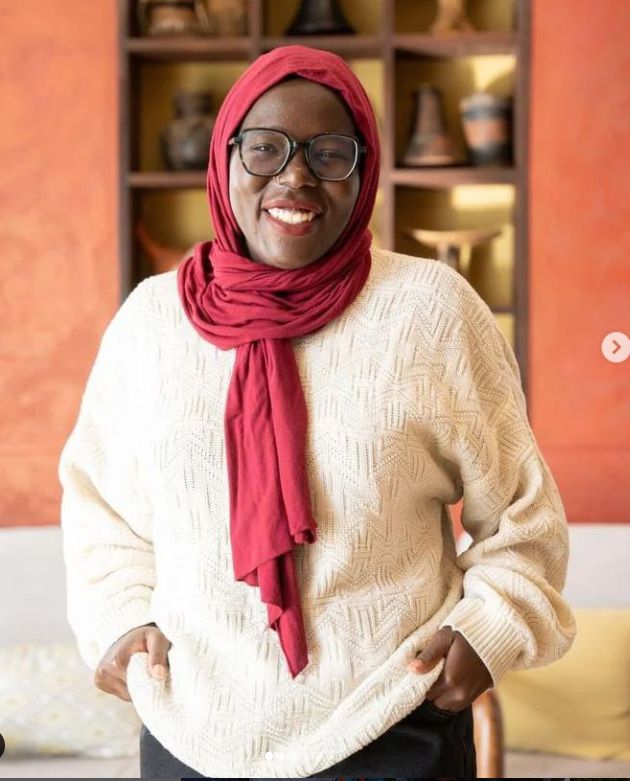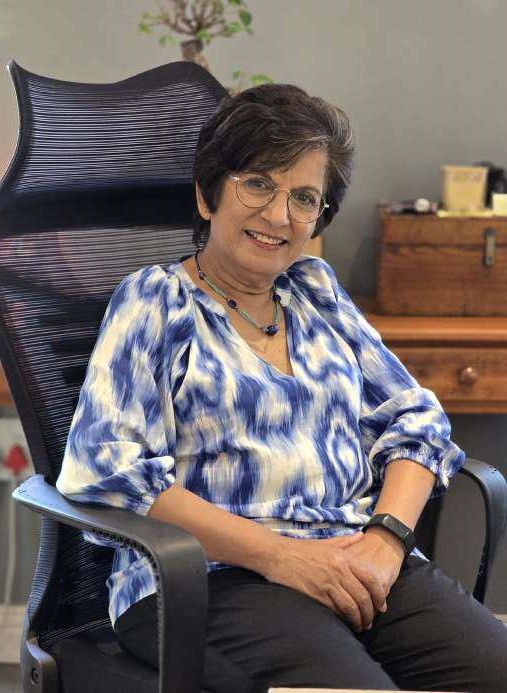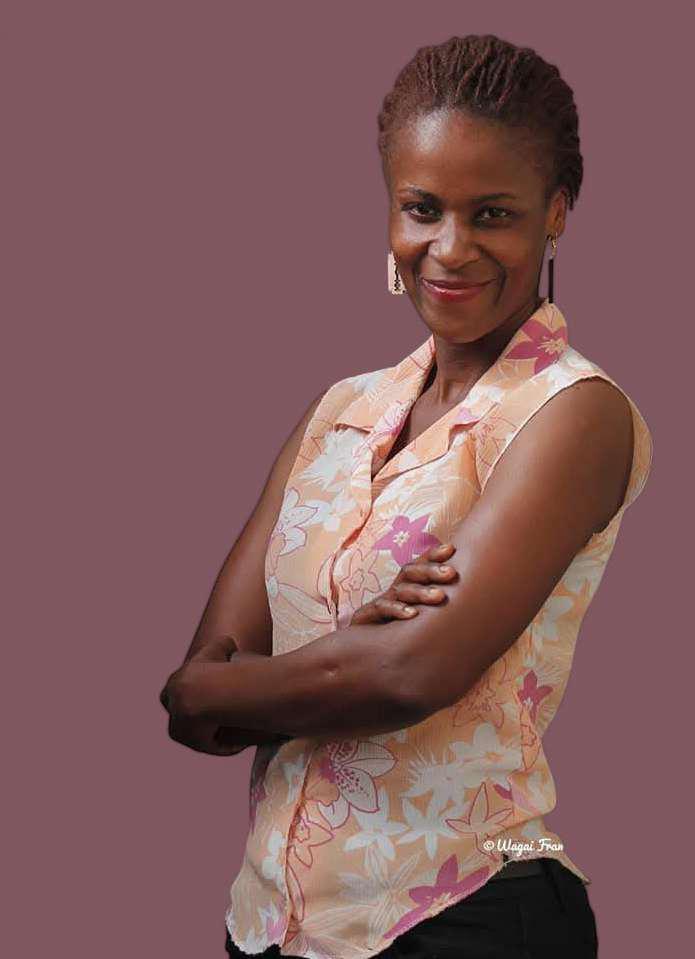
Caren Koloni’s journey in hockey began at Cardinal Otunga Girls in Bungoma. She played for the school and later moved to campus and club levels. It did not take her long to be aware of the stark under-representation of women, particularly young women, in officiating roles. This realisation fueled her transition into officiating as a technical official, driven by a desire to create change and open doors for other women.
Koloni has since officiated numerous African tournaments and achieved a significant milestone with her promotion to the international panel, enabling her to officiate globally. This achievement underscores her belief in women’s potential to excel in all facets of sports, including officiating.
For Koloni, leadership is about breaking down barriers and creating opportunities. As the Assistant Secretary of the Kenya Hockey Umpires Association, she actively recruits and mentors young women, encouraging them to pursue officiating careers. Her position also allows her to advocate for policies that support women officials, paving a smoother path for future generations. She challenges stereotypes and inspires women to embrace leadership roles by occupying spaces traditionally dominated by men.
Koloni’s achievements serve as an example for young girls, demonstrating that they can thrive in male-dominated fields. Mentoring and training aspiring female officials has been particularly fulfilling for her, as she witnesses the impact of representation. She credits Esther Adolwa, International Hockey Federation central panel member, as a major inspiration. Adolwa’s journey has taught Koloni resilience, professionalism, and the importance of mentorship, emphasising that success involves lifting others.
As a Black woman in Africa navigating the international hockey officiating scene, Koloni has faced challenges. Limited tournaments in Africa restrict exposure compared to their European and Asian counterparts. However, she maximises every opportunity, works diligently, and cultivates a strong network within the international hockey community. She believes grassroots movements are crucial for long-term change, advocating for the introduction of officiating at school and club levels to create a pipeline of future officials.
Competing with officials from regions with more opportunities has been a major challenge. Rejections and limitations due to fewer African tournaments have made gaining international experience difficult. Koloni focuses on what she can control: her skills, knowledge, and dedication. She remains prepared, motivated by her desire to create pathways for young women.
Koloni’s vision is to be remembered as a catalyst for change for women in sports officiating. Her goals include creating more opportunities, ensuring equal representation, and mentoring the next generation of female officials in Africa. She aims to continue growing within international officiating, aspiring to join the FIH leading panel, and to expand training programs for women officials in Kenya and Africa.
Her advice to others is to start where they are, utilising available resources. She believes change begins with small steps, whether mentoring, speaking out, or challenging norms. Consistency and passion are key. Koloni emphasises that everyone can contribute to positive change by advocating for equal opportunities, mentoring young athletes, and challenging gender biases, creating a more inclusive and diverse sports community. Her closing reflection is, “Break barriers, create opportunities, and leave a legacy that empowers others to rise.”
"Change begins with small steps, whether mentoring, speaking out, or challenging norms."