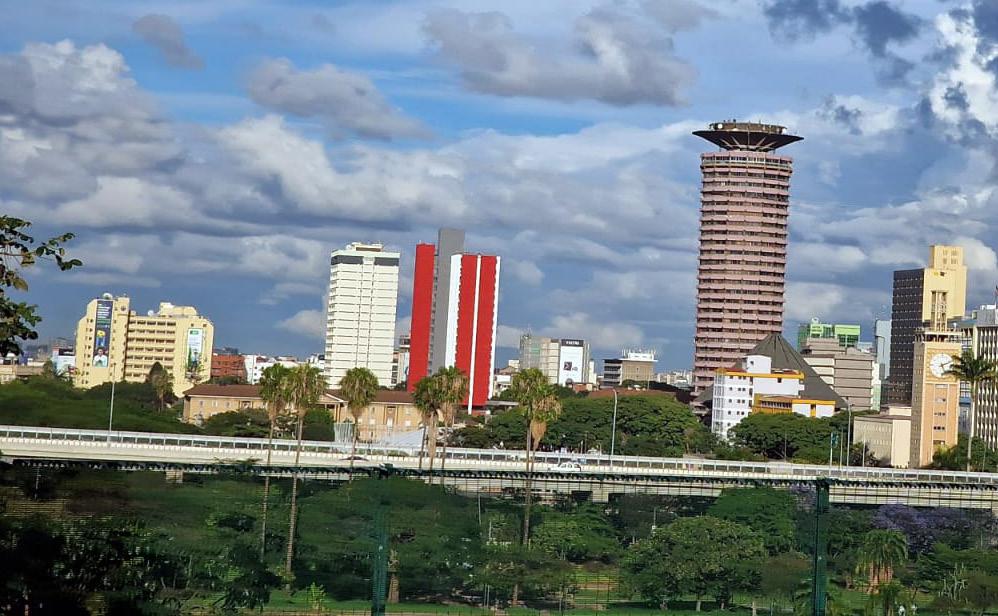
Nairobi, the bustling capital city of Kenya, stands as a testament to the country’s rich history and vibrant culture. From its humble beginnings as a railway depot to its emergence as a modern metropolis, Nairobi has undergone remarkable transformations over the years. One fascinating aspect of Nairobi’s development is the naming of its various estates, each bearing unique stories that reflect the city’s diverse heritage and evolution.
The Early Years: Nairobi’s Foundation and Growth
Nairobi’s history traces back to the late 19th century when it served as a simple railway camp during the construction of the Uganda Railway. Established in 1899, the settlement grew rapidly, attracting traders, settlers, and laborers from across East Africa and beyond. The name “Nairobi” itself is derived from the Maasai phrase “Enkare Nyrobi,” which translates to “cool water,” a reference to the Nairobi River that flows through the area.
Colonial Legacy: European Influence and Urban Planning
During the colonial era, Nairobi experienced significant urban development under British rule. The city’s layout was influenced by European urban planning principles, with distinct residential, commercial, and administrative areas taking shape. Many estates in Nairobi were named after prominent British figures, landmarks, or geographical features, reflecting the colonial legacy of the time.
Independence and Nation-Building: Transition and Identity
Following Kenya’s independence in 1963, Nairobi emerged as the political, economic, and cultural hub of the newly formed nation. The naming of estates during this period took on a more nationalist and Pan-African character, with many commemorating Kenyan leaders, freedom fighters, and historical events. This shift reflected Kenya’s efforts to assert its identity and reclaim its heritage in the post-colonial era.
A Journey Through History and the Naming of Estates
Diversity and Urbanization: Names and Cultures
Today, Nairobi is a melting pot of cultures, languages, and identities, reflected in the diverse names of its estates. From traditional Swahili names to references to local flora, fauna, and landmarks, Nairobi’s estates embody the city’s rich cultural tapestry. Moreover, the naming of estates often reflects the aspirations, values, and aspirations of the communities that inhabit them, contributing to Nairobi’s dynamic and evolving urban landscape.
Nairobi itself is derived from the Maasai phrase “Enkare Nyrobi,” which translates to “cool water,” a reference to the Nairobi River that flows through the area.
Examples of Named Estates and Their Stories
Kibera: One of Africa’s largest informal settlements, Kibera derives its name from the Nubian word “kibra,” meaning forest or jungle. The settlement grew informally during the colonial era and is now home to a vibrant community facing socio-economic challenges.
Karen: Named after Karen Blixen, the Danish author best known for her memoir “Out of Africa,” which chronicled her experiences living on a coffee plantation in the Ngong Hills near Nairobi during the early 20th century. The Karen estate is known for its lush greenery and upscale residences.
Kileleshwa: Derived from the Maasai word “Kilelishwa,” meaning “swampy grounds.” Kileleshwa was initially marshland but was later developed into a residential area characterized by its tree-lined streets and affluent neighborhoods.
Lang’ata: Named after the Maasai word “Oloong’ata,” meaning “rough water,” referring to the seasonal stream that once flowed through the area. Lang’ata is known for its diverse communities, including middle-class neighborhoods, government institutions, and the Nairobi National Park.
Eastleigh: Originally known as “Isli,” Eastleigh is known for its bustling markets, vibrant culture, and diverse population. The name “Eastleigh” reflects its location to the east of Nairobi’s central business district.
Lavington: Named after the early settler Sir William Lavington, who owned vast tracts of land in the area. Lavington has evolved into a residential suburb characterized by its leafy streets, upscale homes, and expatriate community.
Modern Nairobi
Today, Nairobi continues to grow and evolve, embracing its cultural diversity, economic vitality, and entrepreneurial spirit. The city’s neighborhoods and estates reflect its dynamic history, serving as a testament to its resilience and adaptability.
The history of Nairobi is a fascinating journey marked by colonialism, urbanization, and cultural exchange. The naming of its estates offers insight into the city’s heritage and identity, honoring its past while embracing the promise of the future. As Nairobi continues to thrive and expand, its neighborhoods serve as microcosms of its vibrant spirit and enduring legacy.