Q: Tell us a little about yourself and your professional background.
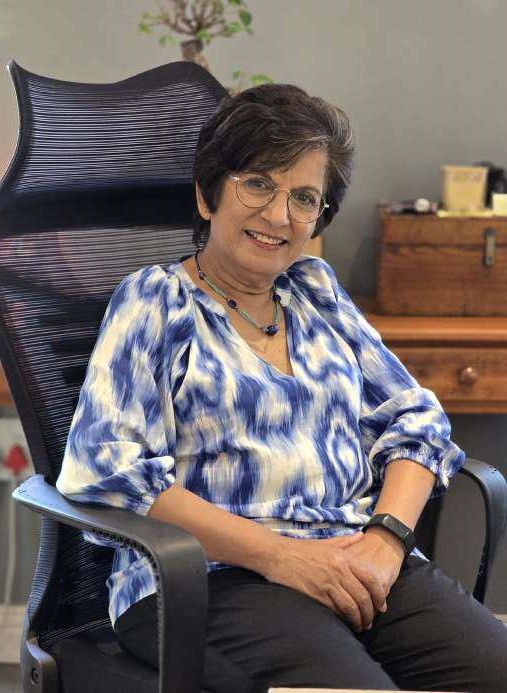
A: My name is Diana Tabbie. I’m a social worker and also a model. After graduating, I worked in social work and later as a receptionist. But I eventually shifted to swimming, which I was passionate about. The typical 8-5 workday schedule didn’t feel like my calling. I wanted something more fulfilling and flexible. So, I completed lifeguard and coaching certifications, and it’s been a fantastic journey ever since.
Q: Can you tell us about your swimming journey, when did you start, and how did it become your career?
A: I started swimming around 2018, initially as a hobby rather than a profession. However, I began to notice people were taking it seriously as a career, and others around me shared how beneficial swimming is for wellness. That inspired me to learn it as a workout, and it quickly became something I wanted to pursue professionally. By 2019, I’d completed a “Learn to Swim” program and balanced a reception job with gigs as a brand ambassador and model. A close friend eventually encouraged me to pursue coaching full-time. I realized freelancing offered greater freedom, so in 2022, I completed my lifesaving course and started as a volunteer coach to test the waters. Now, I work freelance, coaching through Aqua Swimming Adventures. Coaching others and helping them overcome their fears around water has become my true passion, making it more than just a career.
Q: Could you share a bit about Aqua Swimming Adventures and how it came to be?
A: Aqua Swimming Adventures was founded to make learning swimming safe and positive for everyone, regardless of age or background. We’re a small team—my husband, Frederick Nyamburi, the founder and a certified rescue diver, myself as head coach, and another certified PADI instructor named Stephanie Njoki. We focus on teaching people to swim and introducing them to scuba diving basics with a strong emphasis on safety. We’re driven by the belief that everyone should feel safe and empowered around water.
Q: How long has Aqua Swimming Adventures been around?
A: The organization has been running for over ten years, continually expanding its reach and impact.
Q: What has been Aqua Swimming Adventure’s proudest achievement so far?
A: We’re incredibly proud to have saved lives through our training and water safety programs. We’ve also trained and supported underprivileged girls from Mathare North, part of the Red Eagles Football Team, who have completed our “Learn to Swim” sessions. Beyond training, we’ve also provided job opportunities, recommending several women to work as lifeguards in Dubai.
Q: Do you work with children? If so, what age can they start?
A: Yes, we train children as young as six months. It’s mainly about teaching basic survival skills at that age, but more structured swimming lessons usually start around age two.
Q: What are some benefits for children learning to swim early, physically and mentally?
A: Learning to swim at a young age helps children build confidence and reduce the risk of drowning. Physically, it’s a full-body workout that develops strength, coordination, and discipline, which carries over into other areas of their lives.
Q: Aqua Swimming Adventures offers snorkeling and diving courses. How do these differ from regular swim lessons?
A: While regular swimming is foundational, we provide comprehensive guidance in snorkeling and scuba diving. Our program helps you learn to use snorkeling gear in the pool, so when you’re ready to dive in the ocean, you’re confident and prepared with firsthand experience in handling the equipment.
Q: Could you explain the benefits of hydrotherapy?
A: Hydrotherapy offers physical and mental benefits. The water’s buoyancy reduces pressure on joints and muscles, making it an excellent treatment for arthritis. It’s a full-body workout, improving blood circulation and reducing inflammation. Additionally, our heated pools are beneficial for anyone wanting to boost circulation. We always consult our clients about their health needs for the best experience.
Q: What are your biggest challenges in promoting water sports in Kenya?
A: Funding has been our biggest hurdle, primarily since we work with underprivileged communities. Swimming gear is costly, and providing transport, meals, pool access, and safety supervision all add up. Also, we sometimes encounter others copying our ideas from social media and passing them off as their own. Sponsorship would go a long way in supporting our mission.
Q: What success story shows Aqua Swimming Adventure’s impact?
A: Helping girls secure lifeguard roles in Dubai is a significant achievement. Watching their lives transform through such opportunities motivates us to keep going.
Q: How does Aqua Swimming Adventures promote swimming in marginalized communities?
A: We distribute brochures, work with the Red Eagles Football Club to spread the word, and rely heavily on referrals and social media to reach new audiences. Our website and Facebook page are also regularly updated with new information.
Q: What’s your vision for Aqua Swimming Adventures?
A: To be Kenya’s leading swimming and aquatic training organization. We aim to innovate within aquatic experiences, championing water safety and promoting swimming as a lifelong skill for everyone.
Q: Are there any current partnerships, or do you work alone?
A: Right now, we’re working independently, but our CEO is actively seeking partnerships with like-minded individuals and organizations, which would enhance our impact.
Q: What’s next for Aqua Swimming Adventures, and how can people support it?
A: People can support us by donating equipment or helping sponsor the kids we work with. We’re also open to collaborations or opportunities to expand our team. We’d love to hear from anyone who wants to get involved!
Q: As a woman in this field, what challenges have you personally faced?
A: Sometimes people doubt my ability to save them, and women can sometimes be territorial around their husbands. However, setting clear boundaries and maintaining a high standard of ethics has helped build trust. Also, swimming can be seasonal, so business slows down when the weather’s terrible.
Q: Any advice for those with a fear of water?
A: Don’t be afraid—conquering water starts in the mind. Change your mindset, and take it one step at a time. I was once terrified of water, but facing that fear transformed my life and career.
Q: Any final thoughts?
A: I’d encourage more women to pursue careers in coaching; we need more female swimming coaches. People sometimes underestimate our profession, but water safety and survival skills are essential for life. Swimming is about resilience and strength, which benefit you both in and out of the water.