Imagine a world without words, where ideas, emotions, and stories could only be conveyed through images. In such a world, illustration would reign supreme, offering a visual language that transcends the limitations of words. Illustration has the unique ability to communicate complex concepts, evoke emotions, and capture the imagination in ways that traditional written language cannot. It is a powerful tool that has been used throughout history to educate, entertain, and inspire.
To truly understand the power of illustration, we must delve deeper into its history and explore its various forms and mediums. From ancient cave paintings to modern digital illustrations, artists have always sought to communicate their ideas visually. Throughout the centuries, illustration has evolved and adapted to new technologies and cultural shifts, but its essence remains the same: to tell a story through images.
Illustration and Communication
Throughout history, illustration has played a vital role in human communication. From prehistoric cave paintings to illuminated manuscripts of the Middle Ages, illustrations have been used to document and depict the world around us. Early civilizations used illustrations to convey stories, record historical events, and share knowledge. The ancient Egyptians used illustrations in their hieroglyphics, while the Mayans painted detailed illustrations in their codices.
As time progressed, illustrations began to take on more complex and intricate forms.
Forms and Mediums of Illustration
Illustration is a versatile art form that can be created using various mediums and techniques. From traditional pen and ink illustrations to digital illustrations, artists have a wide range of tools at their disposal. Artists create illustrations using physical tools such as brushes, ink pens, and paints.
Characteristics and Influence of Illustration on Society
Illustration has always had a profound influence on society, shaping collective perceptions and sparking cultural movements. From political cartoons that expose corruption to children’s book illustrations that inspire imagination, illustrations have the power to provoke thought, convey social messages, and drive change. Illustrations can capture the essence of an era, serving as visual representations of cultural, social, and political ideals.
The Rise of Contemporary Arts and Digital Illustration
The rise of digital technology has revolutionized the field of illustration, making it more accessible and versatile than ever before. Digital illustration offers artists the ability to create intricate and detailed artworks with ease. The use of software and hardware allows for endless experimentation, quick edits, and the incorporation of multimedia elements. Digital illustrations can be easily shared, reproduced, and modified, opening up new possibilities for collaboration and exposure.
Application of Illustrations in Commercial Products
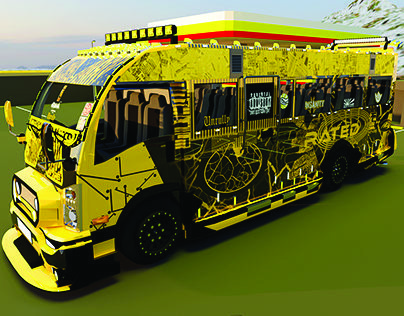
The application of illustration in commercial products has its evolutionary process. With the advancement of the times and the development of digital technology, illustration is no longer just created in traditional painting forms but has evolved into an application of computer digital painting combined with photography technology. This allows for more creative freedom in space and presents a trend of diversified development. By using hi-tech digital painting methods, the illustrations can have a strong visual impact.
Moreover, illustrations have been applied in current commercial products and are recognized by extensive consumers. This perfect combination of art and commerce has gradually been accepted by merchants and consumers. The application forms of illustrations on commercial products can be roughly classified into four types:
- Application in publications
- Application in movies and television and games
- Application in advertising business
- Application in mascots and animated cartoons
Illustration applied in commercial products should have the function of advertising the product while achieving the purpose for commercial consumption. However, merchants may change the product design at any time, as the advertising effect of illustration in a commercial product is short-lived. Commercial products may also be replaced with the development and increasingly updating of science and technology. So, illustration applied in commercial products needs to be constantly updated to meet consumer needs and also have economic benefits. Therefore, this article mainly studies the role and development of illustration application in commercial products from the perspective of economic benefits.