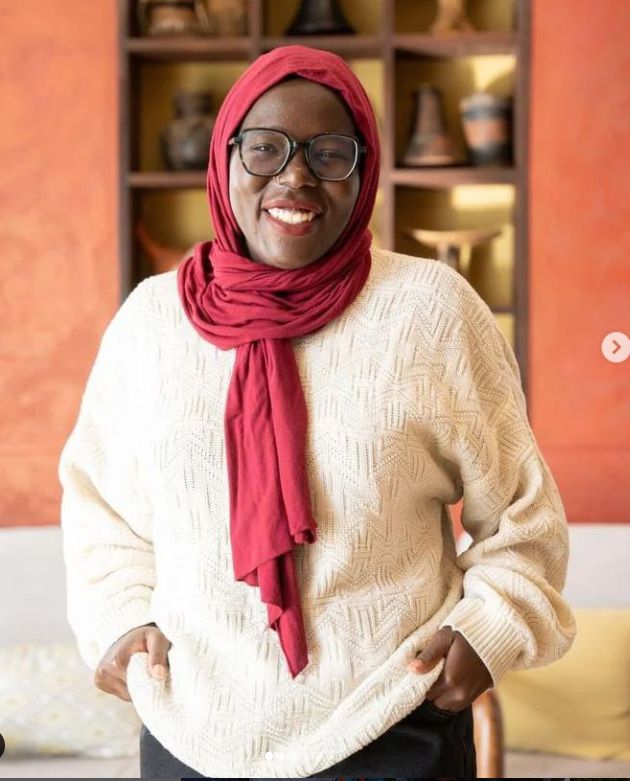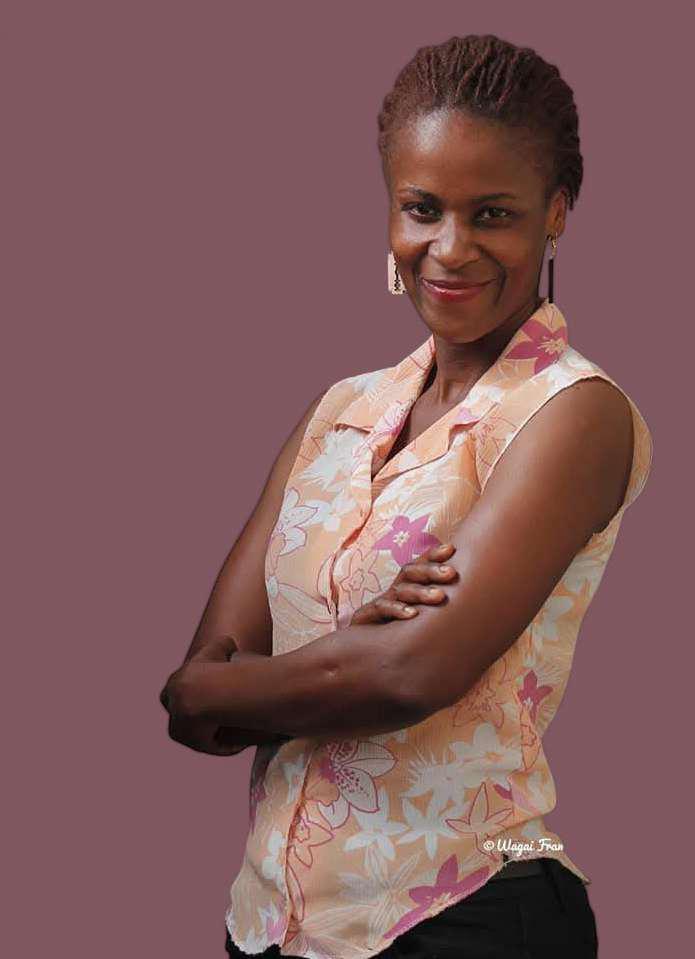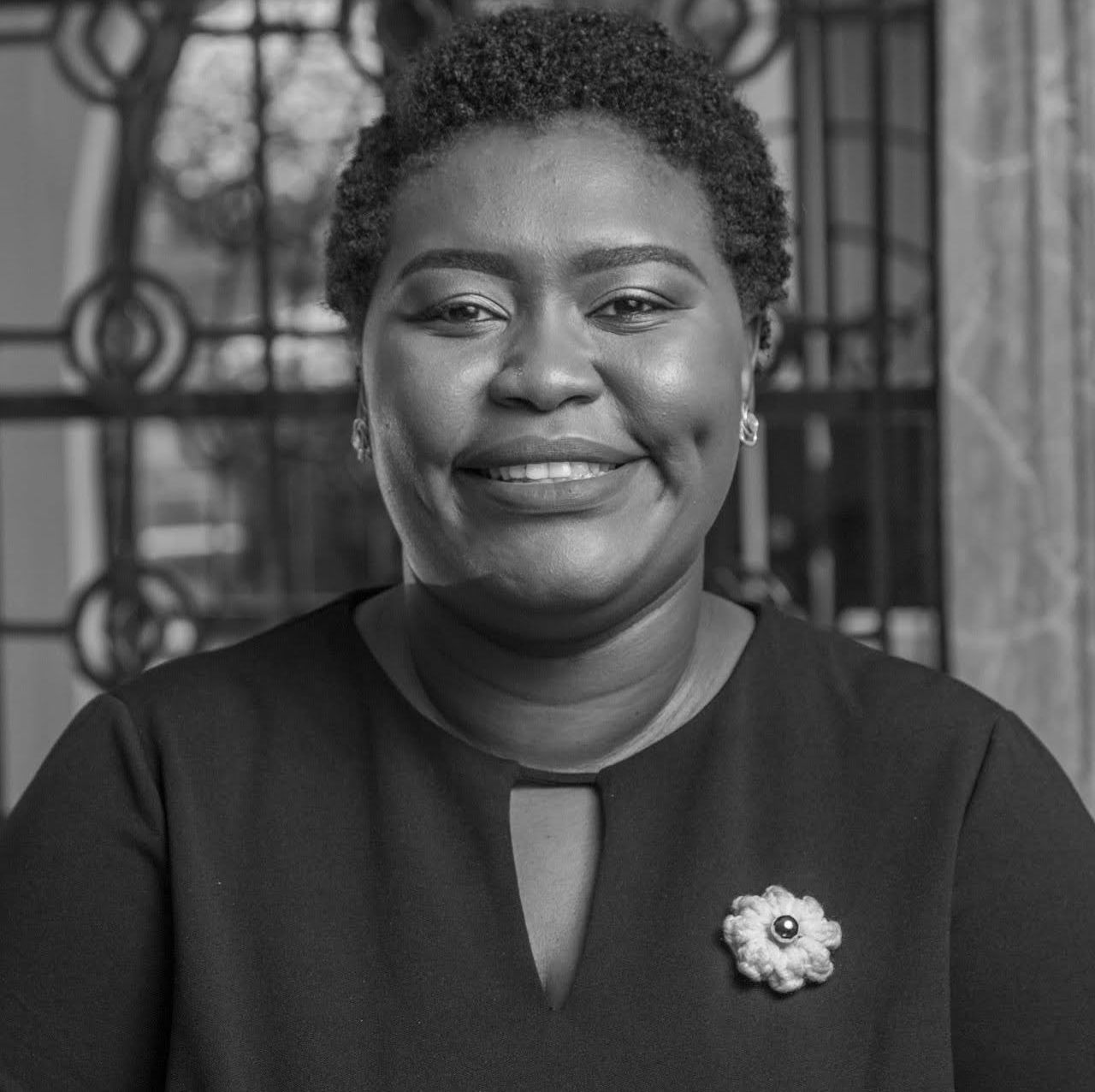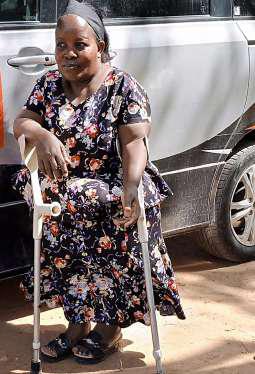
Charity Chahasi is the 9th born in a family of 10 siblings from Vihiga County, Kenya. Born to the poorest family in Kegoye village and having a physical disability, she had a life defined by struggles and discrimination. Her unbreakable spirit set her on a path to becoming a relentless advocate for persons with disabilities (PWDs).
Childhood of Struggles
Growing up, Charity faced discrimination not just from her community but also at school. Some teachers were very insensitive and unfair, sometimes even stripping her of the marks she had rightfully earned, telling her she was unworthy of education because of her disability and poverty.
High school was no different; constant financial struggles made her journey even more difficult. However, her father’s unwavering support and encouragement gave her the strength to persist.
“Never give up, no matter how hard it is,” he would tell her words that gave her the zeal to keep going.
By sheer luck and determination, Charity completed high school, but there were no prospects of advancing her education because of poverty. She relocated to Mombasa to live with one of her sisters while searching for a job.
She secured an opportunity to work at an association workshop for persons with disabilities as a casual labourer and raised funds to attend college. This is where her advocacy journey began.
Tackling Discrimination in the Workplace
Charity’s first job seemed like a haven.
“I thought this was the best place for me because it was for persons with disabilities,” she says.
However, this was far from reality.
Persons with disabilities (PWDs) were subjected to:
✔ Poor working conditions
✔ Low wages
✔ Management with little understanding of disability rights
✔ Harassment, insults, and discrimination
These experiences ignited a fire within her.
Alongside ten other women with disabilities, she founded the Coast Disabled Group, a forum where they could share their struggles and support one another.
“We started a merry-go-round and would sell groceries to support and sustain ourselves,” she says.
However, management saw them as a threat and attempted to dismantle the group for fear of losing control.
Later in 2000, a more vibrant group was formed Tunaweza Women with Disabilities, a grassroots movement advocating for PWD rights.
With all the discrimination in the workplace, Charity decided:
"Enough is enough."
The group’s activism led to significant policy changes, including securing permanent employment and benefits for many disabled workers.
When Charity and her colleagues protested unfair labour practices, they faced:
✔ Threats
✔ Job transfers under false pretenses
✔ Eventual job dismissals
With great courage, Charity led peaceful demonstrations, bringing national attention to the plight of PWDs. The government and board were forced to intervene, marking a turning point in her activism.
Impact and Recognition
Charity equates leadership with influence and impact.
As the founder and leader of Tunaweza PWD CBO since 2000, she has been instrumental in setting up other disability rights organisations in Mombasa.
Under her leadership, the organisation has:
✔ Empowered PWDs through job creation and skills training
✔ Advocated for key policy changes
✔ Led conflict resolution efforts among PWD communities
Her efforts have not gone unnoticed.
She has been elected twice to lead the PWD docket in the Coast Civil Society Network.
In 2022, she was awarded:
🏆 Best Woman Human Rights Defender of the Year
For her persistent fight against gender-based violence and disability discrimination.
Charity has been pivotal in:
✔ Securing positions for women with disabilities in the county government
✔ Advocating for accessibility in public buildings
✔ Influencing national policies through petitions to the Senate and National Gender and Equality Commission
Through Tunaweza PWD, she has also:
✔ Spearheaded digital skills training for youth with disabilities
✔ Created employment opportunities in the digital space
✔ Established business partnerships for economic independence
"Economic empowerment is a crucial step toward equality."
Personal Resilience
Ms. Chahasi is relentless in her advocacy efforts, even in the face of great opposition.
Some have plotted against her, fabricating issues to tarnish her name or put her in conflict with the government.
In a bid to silence her, Charity was kidnapped for 10 hours and warned against continuing her activism.
“Fear crept in as they kept trailing me for months, and I had to lay low for about six months,” she says.
Despite this, her passion and the support from her partners gave her the motivation and resilience to get back to work.
A Vision for an Inclusive Future
Charity envisions a society where:
✔ PWDs are fully integrated
✔ Public spaces and opportunities are accessible to all
✔ The potential of every disabled person is recognized and utilized
Through awareness campaigns, community dialogues, and policy advocacy, she continues to break the barriers holding PWDs back.
“Be persistent and resilient despite the obstacles in your way. You have the power to conquer.”