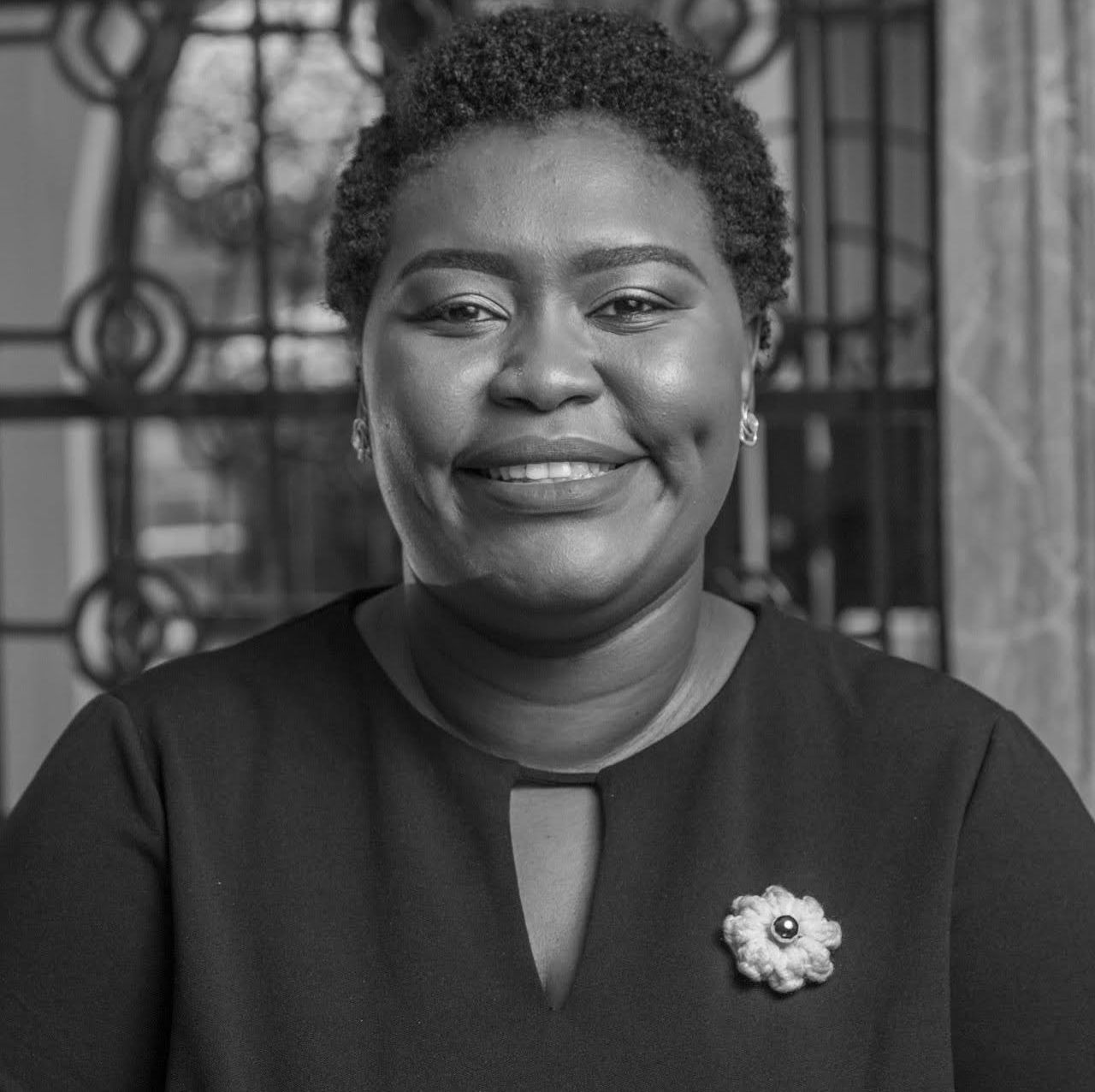
For the longest time, I hated my hair. I mean, really hated it. The tight kinks and coils of my 4B/C hair felt rough and dry to the touch, and to make matters worse, it wasn’t even jet black like I wished it to be. Growing up, I desperately wanted hair like my primary school deskmate, Vanita. Her hair was flawless, jet black, silky, and flowing down to the middle of her back. Everyone admired her hair, and somehow, her entire personality seemed to revolve around it. I, on the other hand, felt invisible, overlooked, and resentful of the hair I had been born with.
Attending an Indian public school in the heart of Nairobi exposed me to a different standard of beauty, one where long, straight, and shiny hair was the ultimate goal. My own hair, by contrast, felt like an obstacle to feeling beautiful. I longed for the day when I could change it.
The Big Relaxer Letdown
In high school, my mother finally made the decision I had been waiting for: she allowed me to chemically relax my hair. I was ecstatic! I imagined that the relaxer would transform my hair into something closer to Vanita’s, long, flawless, and effortlessly manageable. But reality hit hard. My relaxed hair didn’t grow long, it didn’t turn jet black, and worst of all, it became weak and brittle. The more I relaxed it, the more it thinned out and lost its life. My dream of “perfect” hair had officially crumbled.
I continued to relax my hair for years, believing that it was my only option. That was until 2017 when I met a woman at church who changed everything. She wore her natural hair in a high bun, her edges sleeked to perfection, and her crown full and healthy. She looked radiant. For the first time, I saw natural hair not as a burden but as something beautiful and regal.
Finding Inspiration and Embracing Natural Hair
That very evening, I fell into a deep rabbit hole of YouTube tutorials on natural hair care. I had never seen so many women not only embrace but celebrate their natural hair! Their confidence was infectious, and I knew I wanted that for myself. That’s when I decided to give my natural hair another chance, and I have never looked back. Over the years, my love for my hair has grown to the point where I now influence those around me to embrace their own kinks and coils.
The Cultural and Historical Weight of Black Hair
For centuries, Black hair has been misunderstood and even despised. Terms like “nappy” were used to demean the natural texture of Afro hair, reinforcing the idea that it was unruly and unprofessional. In Kenya, straightened or chemically treated hair became the gold standard in workplaces, with natural hair—whether in an Afro, dreadlocks, or twists—deemed unprofessional in certain industries.
Though there has been progress, the bias against natural hair still exists. However, the natural hair movement has given many of us the confidence to push back against these outdated norms and redefine beauty on our own terms.
Embracing the Crown
My hair is no longer something I resent, it’s something I cherish. It carries history, resilience, and power. The journey to self-acceptance wasn’t easy, but today I proudly wear my hair in all its natural glory. And if my story inspires even one person to embrace their own kinks and coils, then every moment of struggle was worth it.
“My hair is no longer something I resent, it’s something I cherish. It carries history, resilience, and power.”